
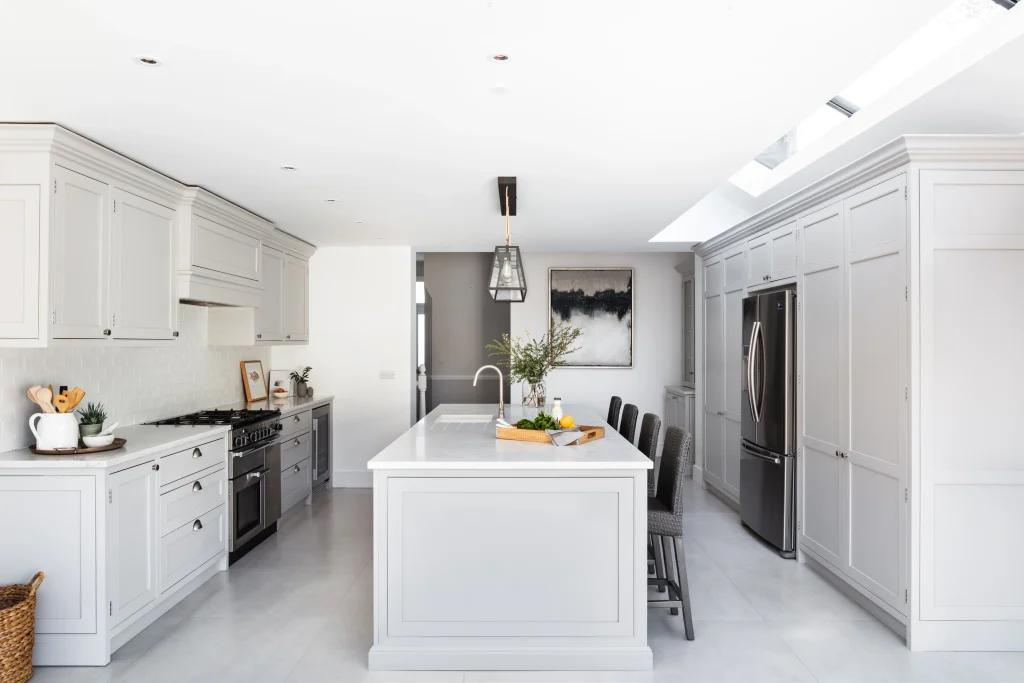
Period homes bring a sense of character and architectural richness that is difficult to replicate. Original proportions, detailing and the way rooms connect often give these properties a warmth and individuality that newer builds lack. Designing a kitchen within a period home, however, requires a very different approach to working in a modern property.
A successful kitchen design must respect the integrity of the building while supporting contemporary life. Achieving this balance is not about replicating historical styles, nor is it about imposing a modern aesthetic without regard for context. It requires careful observation, restraint and a willingness to let the building guide the design.
Understanding the Building Before Designing the Kitchen
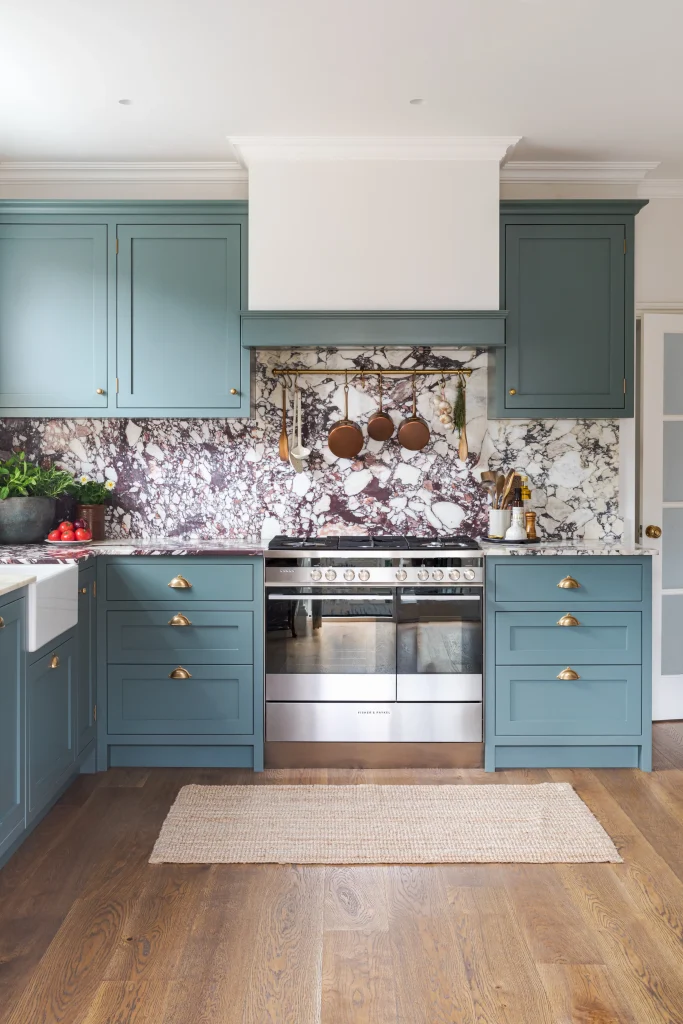
One of the most common mistakes in period properties is approaching the kitchen as an isolated room. In older homes, the kitchen is part of a wider architectural narrative. Ceiling heights, wall thicknesses, window placements and structural elements all influence how the space behaves.
Features such as chimney breasts, original fireplaces and load-bearing walls are not inconveniences to be solved later. They should inform the layout from the outset. When these elements are acknowledged early, the kitchen feels more naturally integrated into the home.
In South West London, many period properties have been extended over time. Kitchens are often located in areas that combine original architecture with later additions. Designing within these transitional spaces requires particular care, as the kitchen needs to feel cohesive across both old and new parts of the building.
Working With Original Features Rather Than Against Them
Period homes often include features that complicate kitchen planning but contribute significantly to the character of the space. Chimney breasts interrupt long runs of cabinetry, sash windows limit wall storage, and irregular alcoves challenge symmetrical layouts.
The instinct can be to disguise or remove these elements. In practice, the most resolved kitchens tend to work with them instead. This might involve allowing cabinetry to step around a chimney breast, or using alcoves for secondary storage rather than forcing uniformity.
Original features provide cues for proportion and rhythm within a room. Responding to these cues often results in a kitchen that feels settled and appropriate, rather than one that appears imposed on the space.
Balancing Character With Modern Functionality
Modern kitchens are expected to support a wide range of activities. Cooking, storage, dining, working and socialising often happen within the same space. Introducing these functions into a period home requires careful consideration.
Rather than recreating a historical kitchen, the aim is usually to design a space that feels comfortable alongside the existing architecture. Clean lines, restrained detailing and thoughtful material choices often sit more comfortably within period settings than overtly decorative designs.
Appliances, lighting and storage need to be integrated in a way that supports everyday use without overwhelming the original character of the house. When handled well, the kitchen feels both contemporary and rooted in its surroundings.
Layout and Flow in Older Properties
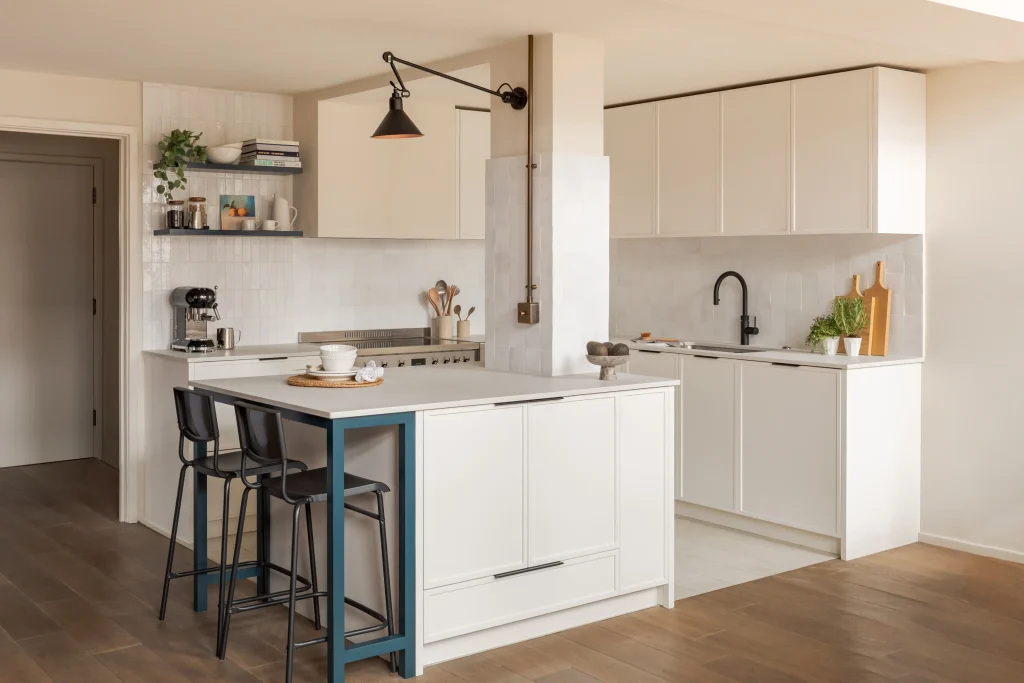
Many period homes were not designed with modern kitchen layouts in mind. Kitchens may be located at the rear of the property, with limited natural light or awkward proportions.
Improving flow and light is often a priority, but it should not be approached as a blanket solution. Opening up a space can be beneficial, but it is not always appropriate. In some homes, retaining a degree of separation between rooms preserves the character of the property and creates a more comfortable kitchen environment.
Where changes are made, they should feel intentional. Improving circulation, adjusting sightlines and carefully positioning lighting can transform how a kitchen feels without fundamentally altering the structure of the building.
Storage That Respects the Architecture
Storage is one of the most significant challenges in period kitchens. Ceiling heights may vary, walls may be uneven, and traditional layouts often limit opportunities for large banks of cabinetry.
A bespoke approach allows storage to be designed in direct response to these constraints. Cabinetry can be tailored to suit the proportions of the room, making better use of available space while maintaining balance.
In period homes, restraint is often key. Maximising storage at the expense of proportion can make a kitchen feel heavy or overbearing. A more considered approach leads to a calmer and more comfortable result.
Choosing Materials That Age Well
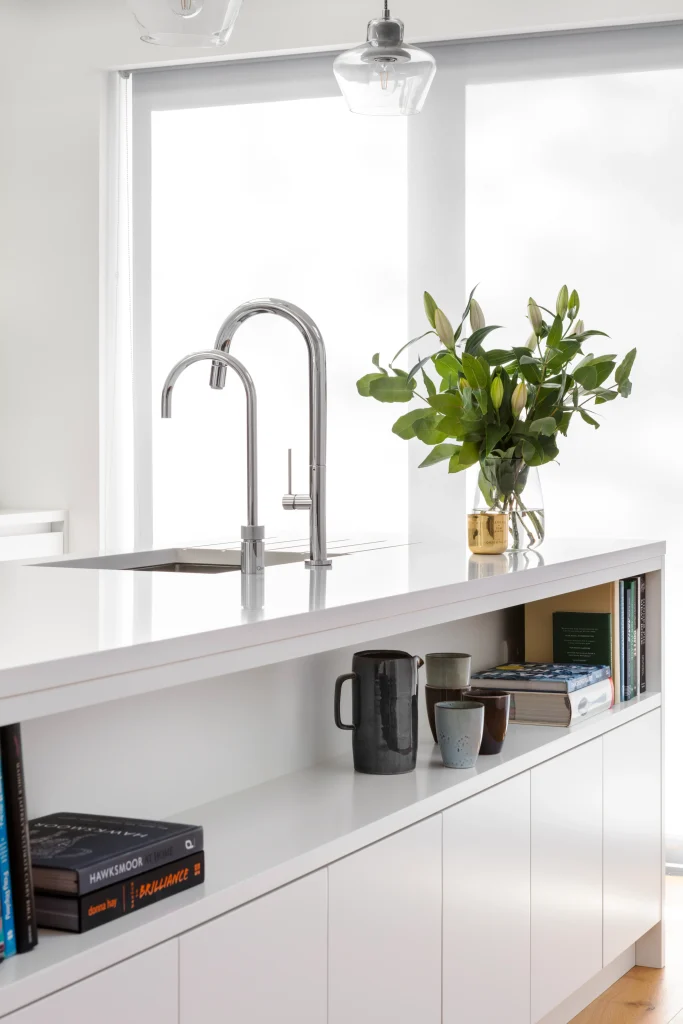
Material selection plays a crucial role in how a kitchen sits within a period property. Finishes should not only suit the space visually but also age gracefully alongside the building.
Natural materials, muted tones and considered textures often work well in older homes. Rather than chasing trends, the focus should be
on longevity. A kitchen that feels understated on installation often feels more appropriate over time than one designed to make an immediate statement.
Durability is equally important. Period homes are lived in, not preserved as static environments. Materials should be chosen with everyday use in mind.
Planning and Conservation Considerations
Some period properties are subject to planning restrictions, particularly those located within conservation areas or listed buildings. These constraints influence what can be altered, from window openings to structural changes.
Understanding these limitations early in the design process avoids unnecessary complications later on. In many cases, a thoughtful kitchen design can achieve a great deal without extensive alteration, simply by making better use of the existing space.
Experience is important here. Knowing where flexibility exists, and where it does not, allows the design to progress realistically and efficiently.
Designing for Longevity Rather Than Fashion
Period homes have already stood the test of time. A kitchen designed for such a property should feel as though it belongs within that timeline.
Designing for longevity means prioritising proportion, balance and quality of execution over novelty. When these fundamentals are right, the kitchen continues to feel appropriate long after trends have moved on.
This approach also supports sustainability. A kitchen designed to last reduces the need for replacement and ensures the investment continues to add value to the home.
A Considered Approach From the Outset
Designing a kitchen for a period home is not about imposing a new identity on the building. It is about working in dialogue with what already exists.
The most successful kitchens are those that feel inevitable. The layout makes sense, the proportions feel right, and the space supports everyday life without drawing attention to itself. If you’d like to see some of our previous work you can check out our recent projects.
For homeowners considering a kitchen project within a period property, an initial consultation can help clarify what is possible and how best to approach the design. Get in touch to see how we can help.