
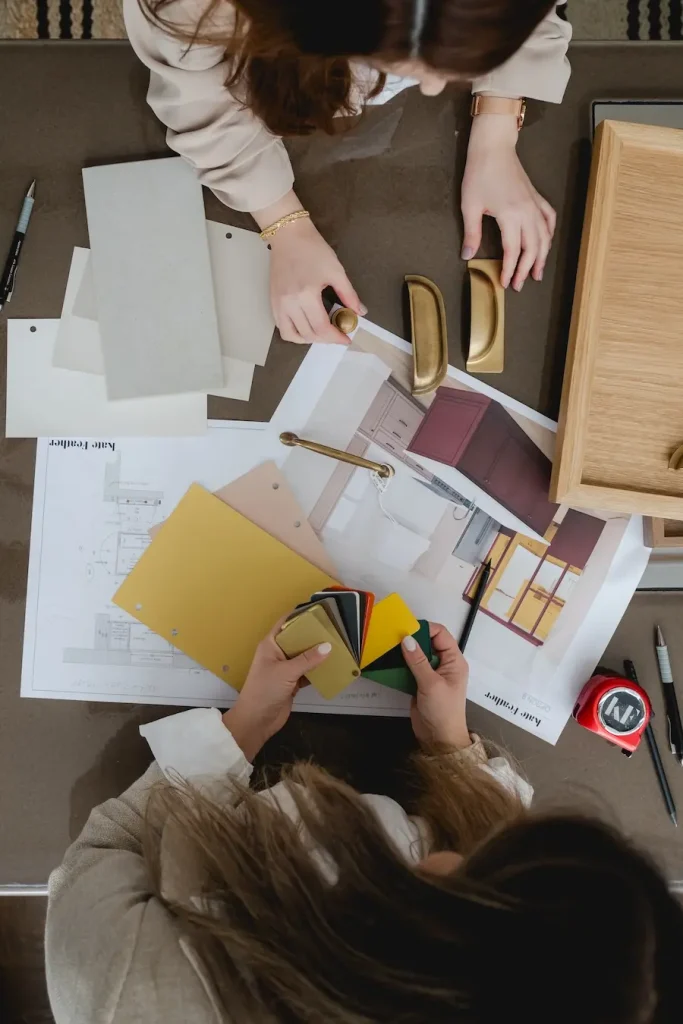
Commissioning a bespoke kitchen is a significant decision. For most homeowners, it is not something done often, and the process can feel unfamiliar at the outset. Understanding how a bespoke kitchen design progresses, from the first conversation through to installation, helps remove uncertainty and allows decisions to be made with confidence.
A well-structured design process does not limit creativity. Instead, it provides the framework needed to develop a kitchen that is thoughtful, resolved and genuinely tailored to the home.
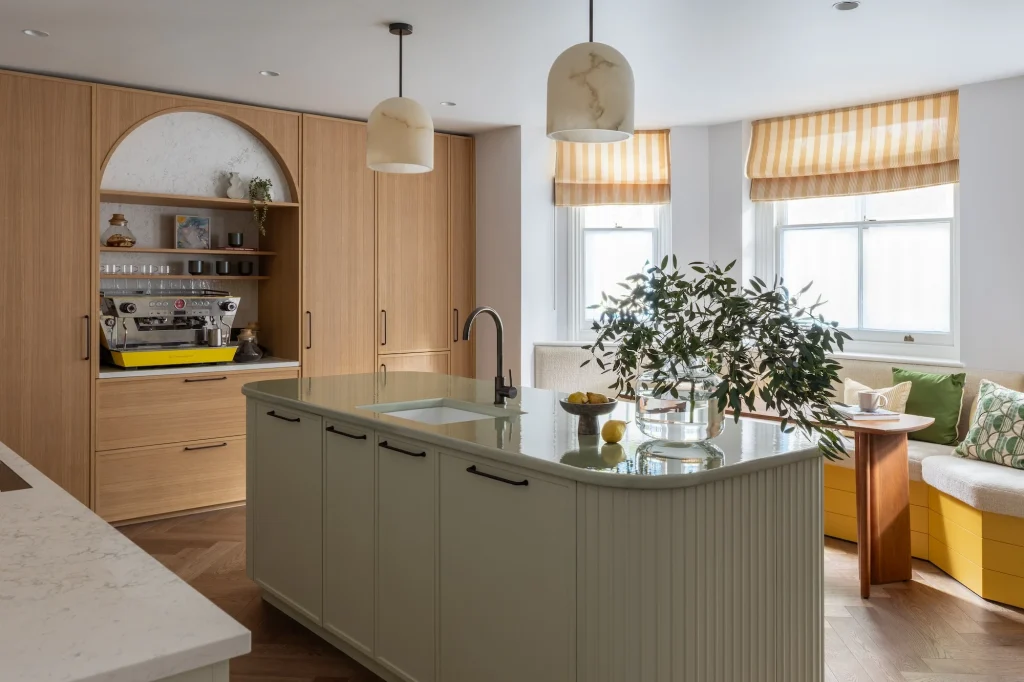
The Importance of the Initial Consultation
Every bespoke kitchen begins with a detailed consultation. This stage is not about choosing finishes or finalising layouts. It is about understanding how the kitchen will function within the home and how it needs to support everyday life.
Discussions typically cover how the space is used now, how it may need to change in the future, and what works or does not work in the existing kitchen. Lifestyle, household routines and practical requirements are just as important as aesthetic preferences.
This early conversation establishes priorities and sets the direction for the entire project. Without this foundation, later decisions risk being reactive rather than considered.
Understanding the Space Before Designing It
Before any layout is developed, the space itself must be properly understood. This includes the physical dimensions of the room, the
position of windows and doors, ceiling heights and any structural elements that influence what is possible.
In many homes, particularly period properties or those that have been altered over time, rooms may not be perfectly square or symmetrical. These characteristics need to be acknowledged rather than corrected artificially.
A bespoke design process allows the kitchen to respond to these realities. By working with the space rather than forcing it into a standard configuration, the final layout feels more natural and comfortable to use.
Developing the Initial Layout
Once priorities are clear and the space has been assessed, layout development begins. This stage focuses on how the kitchen functions rather than how it looks.
Key considerations include circulation, storage, work zones and the relationship between cooking, preparation and social areas. The aim is to create a layout that supports movement through the space and allows multiple activities to take place without conflict.
Several options may be explored at this stage. Refinement comes through discussion, testing ideas against real use, and identifying which solutions best support daily life.
Visualisation and Design Refinement
As the layout becomes more defined, visualisation plays an important role. Drawings and visuals help bring the design to life, allowing proportions, relationships and material choices to be understood more clearly.
This stage is where many clients gain confidence in the direction of the project. Seeing how the kitchen will sit within the space makes it easier to assess whether the design feels balanced and appropriate.
Refinement is a natural part of this process. Adjustments are made as details are resolved, ensuring the design evolves in a controlled and deliberate way rather than through last-minute changes.
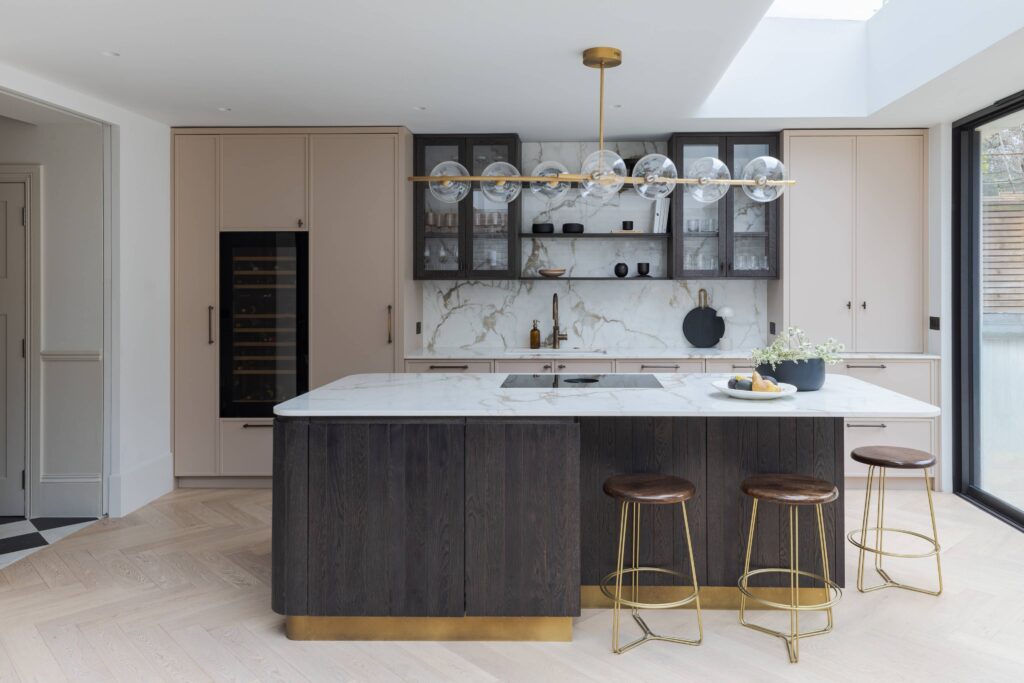
Selecting Materials and Finishes
Material selection is one of the most considered stages of a bespoke kitchen design. Choices are guided by the character of the home, the desired atmosphere of the space, and practical considerations such as durability and maintenance.
Rather than presenting endless options, a bespoke process focuses on clarity. Materials and finishes are selected because they serve the design and will continue to work well over time.
This approach helps avoid decision fatigue and ensures the kitchen feels cohesive rather than pieced together.
Detailing and Specification
Detailing is where the design becomes fully resolved. This includes how cabinetry aligns with architectural features, how transitions between materials are handled, and how elements such as lighting and hardware are integrated.
These decisions may appear subtle, but they significantly affect how the kitchen feels to use and live with. Careful detailing ensures the space feels calm and intentional rather than overworked.
Specification at this stage provides clarity for manufacture and installation, reducing the risk of misinterpretation later in the project.
Coordination With Builders and Other Professionals
In many projects, the kitchen design process runs alongside building or renovation work. Clear communication and coordination are essential to ensure the design intent is carried through accurately.
A structured process allows the kitchen design to integrate smoothly with other elements of the project, from structural changes to services and finishes. This collaboration helps prevent issues on site and supports a more efficient installation phase.
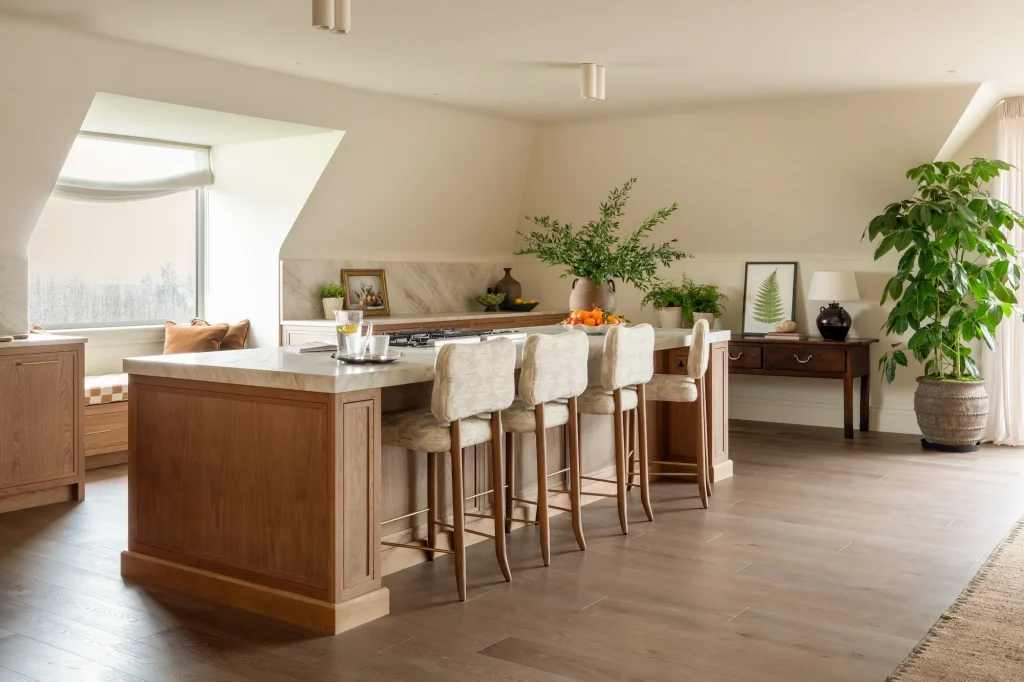
Manufacture and Installation
Once the design is finalised and specified, the project moves into manufacture. This stage relies on the clarity established earlier in the process.
Installation is carefully planned to minimise disruption and ensure the finished kitchen reflects the agreed design. Attention to detail at this stage is crucial. Even the most carefully designed kitchen depends on precise execution to achieve the intended result.
Allowing Space for Change
One of the advantages of a bespoke process is its flexibility. While the structure provides clarity, it also allows space for considered changes as the project develops.
It is not unusual for priorities to shift slightly as the design takes shape. A well-managed process accommodates this without compromising the overall coherence of the kitchen.
From Design to Everyday Use
The goal of the bespoke kitchen design process is not simply to create an attractive space, but to deliver a kitchen that works comfortably in everyday life.
When the process is handled well, the final kitchen feels intuitive and settled. Decisions made early on support daily use, and the space continues to function as intended long after installation is complete.
For homeowners considering a bespoke kitchen project, an initial consultation provides an opportunity to understand how a structured
design process can support both creativity and practicality.